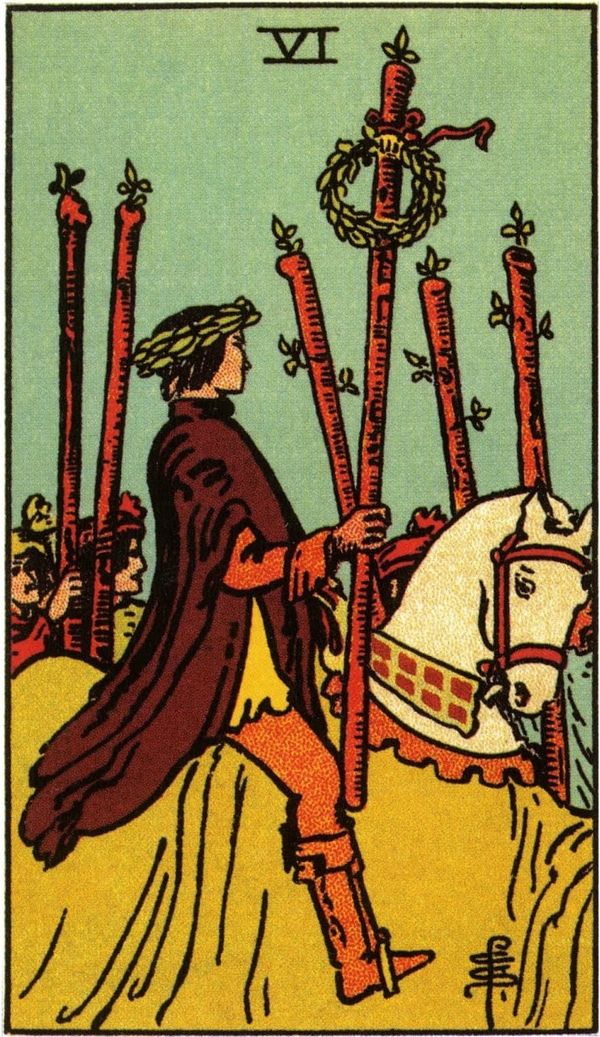
Cuckoo Part II: What Tony Brought to the Table
How addiction divides the experience of consuming drugs from selling them
How addiction divides the experience of consuming drugs from selling them

Cuckooing highlights the gap between what supports we might want for people with addictions, versus what is actually available.

At this point in the unwinnable "war on drugs," the question is not whether drugs should or will be legalized, but rather how.
My baby turns one this month! I started this newsletter in August 2025, and though I'm busy with other writing goals I wanted to take the occasion to reflect on what I've learned. A Cure For Addiction was and is meant to be the public-facing,
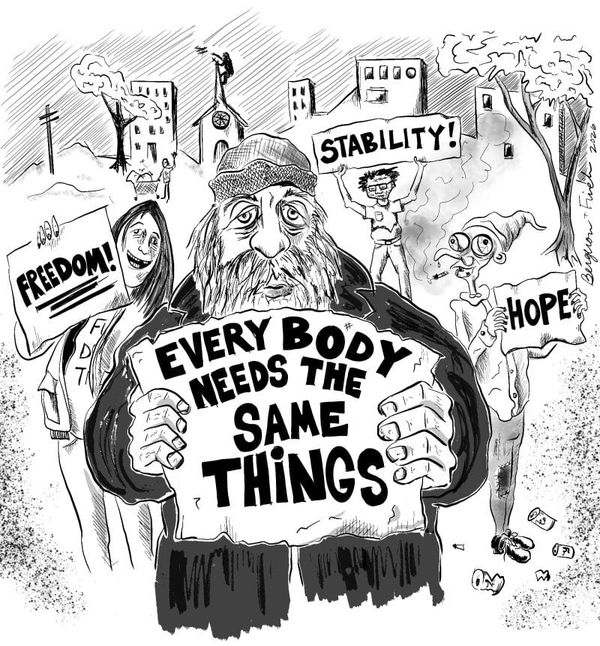
Welcome, and welcome back, curers of addiction! This edition is for summer updates and a sketch of what I'm doing when not posting here every week. My Cover Story in The Bollard It's an honor to be in The Bollard, Portland's independent print magazine.

So we have an old, unprofitable medication and a newer "blockbuster drug." Can you guess who's ended up on which one?

If you're looking for a good celebration today, here's "250 Years of Resistance," recorded last night at the National Public Housing Museum. Bring a notebook and a cup of coffee. On to today's post... Trial By Treatment: Punishing Illness in an Age

My earlier post on retaining accessible providers in the addiction field mentioned insurance as a primary problem. That is, dealing with insurance companies is so burdensome and unpredictable that at this point many providers only take private pay– which places their care out of reach for most patients. I wrote

Last weekend I attended a fantastic workshop introducing "Depth Recovery," an approach developed by presenter Corey Gamberg, LADC. Gamberg shared his lived experience with addiction and recovery and, like me, has been working in treatment for a long time. Unlike me, Gamberg also has credentials in Jungian psychotherapy,
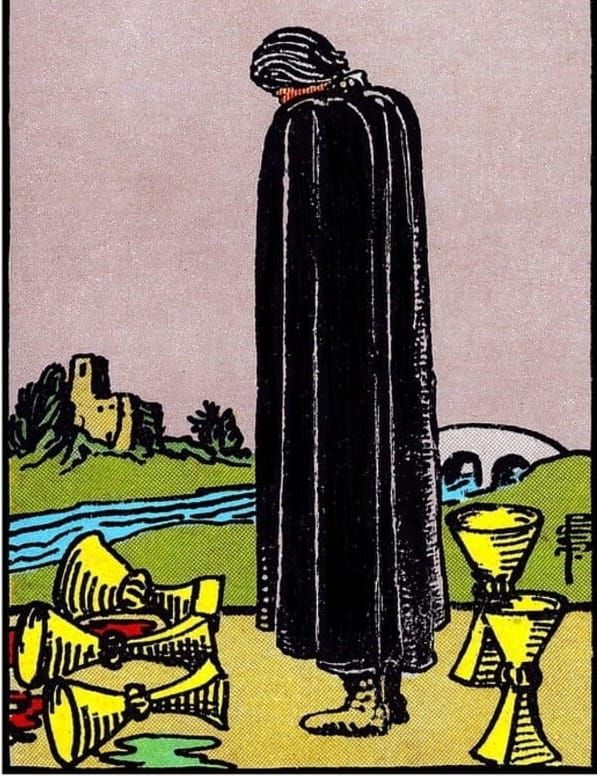
📋This topic was requested on my anonymous reader survey, which is still open. I'd love to hear from you, subscriber or not! 5-Question Survey Shame is the air we breathe in addiction treatment. It suffuses what is said, which words are used to say it, and especially

Typically I do not share much about my personal life. But I have one story that feels too apropos not to tell. It's about my high-stakes but totally straightforward experience of "brain disease." The model for understanding addiction that currently dominates policy discourse is a
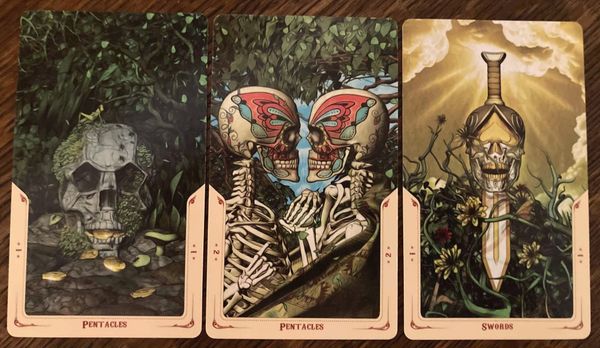
🙏This topic was suggested by Noel Genova, PA-C. Do you have a question or topic to suggest? Use the Contact button above. My mom is a veteran physician assistant in internal medicine. She has worked with many patients with addictions, introduced me to tarot when I was a teen,

Reader Requests
🙏This topic was suggested by Miranda DeNovo. Do you have a question or topic to suggest? Use the Contact button above. Addiction treatment is highly segregated by socioeconomic status– perhaps more so than any other type of health care. And one aspect of treatment in which class segregation is particularly

Working
This is the third and (for now) final post in an impromptu series about working in addiction treatment. The first and second posts were on what I love about this job. This week we're looking at retention: why so many front-line workers leave the field, and what

Reader Requests
Why work in addiction treatment, with all its systemic problems? Part I of my answer was "Five And A Half Things I Love About This Job", and this is an addendum by request. I will address retention (keeping people in the field) more specifically next time. If you&
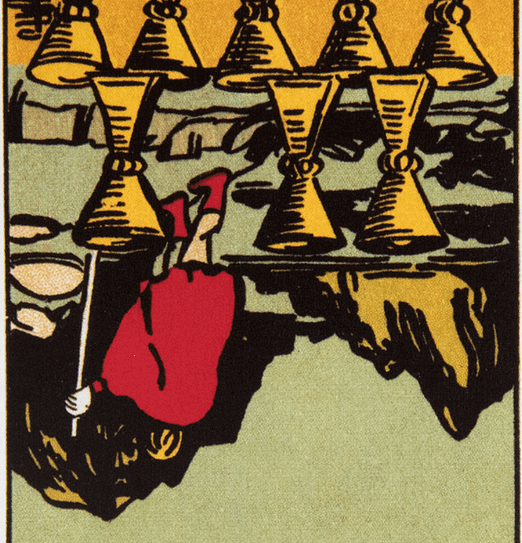
The weight loss industry, like the addiction treatment industry, is prone to overselling its treatments. But right now the weight loss business is seeing a major shake-up. Ozempic, Wegovy, etc.– we're talking about GLP-1 agonists or semaglutides that were initially developed for Type 2 diabetes but

Working
Wait– three posts in three weeks? Are we back to curing addiction every Saturday? Let's say mostly, or hopefully. Thanks for rolling with it. I recognize that this newsletter, along with most of my writing and teaching content, has a critical and somtimes angry tone. One attendee of
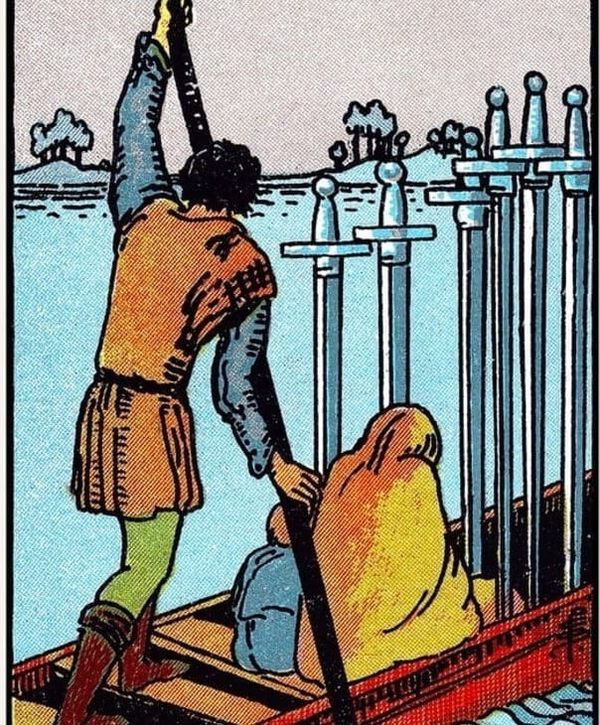
Insurance
🙏This topic was suggested by Laura. Do you have a topic to suggest? Post to the Comments or use the Contact button above. The addiction treatment industry is known for a number of unethical and illegal practices. Today we're looking at "body brokering," also known as
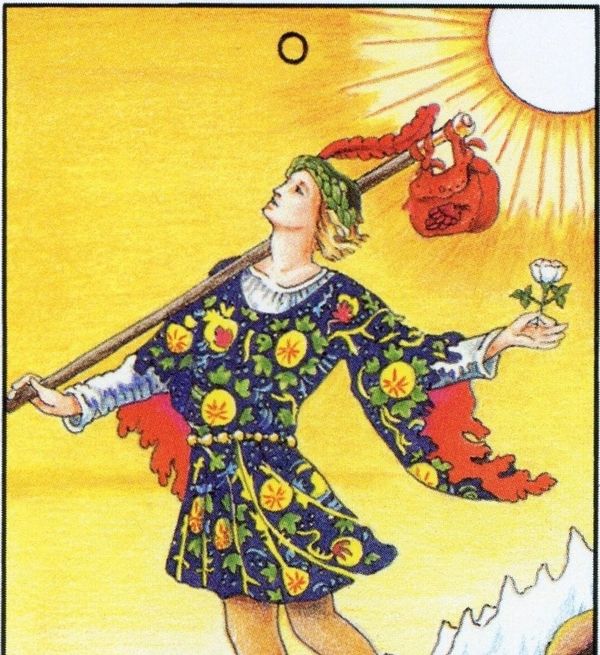
In the best case scenario, people learn from both the good and bad outcomes of risks they choose, refining their choices accordingly as they go.

Mandated Treatment
I've taken a pause on weekly posting to preserve time for revising my book manuscript and activities related to ICE/CBP response here in Maine. Thank you for sticking around in the meantime! I realized I might as well share a presentation I developed (for the Health Care

Mandated Treatment
Welcome briefly back, curers of addiction! I hope you feel alive; I know I do. I have paused my regular Saturday posting schedule to work on the ICE response here in Maine. (As anticipated, abductions and harassment continue despite Susan Collins' assurance that "enhanced operations" are over.

Publishing News
It feels like all eyes are on Minnesota right now, and for good reason. But this post is about the ICE surge in Maine– if only to explain why I won't be doing my regular weekly posts until conditions improve on the ground here. ICE launched "Operation
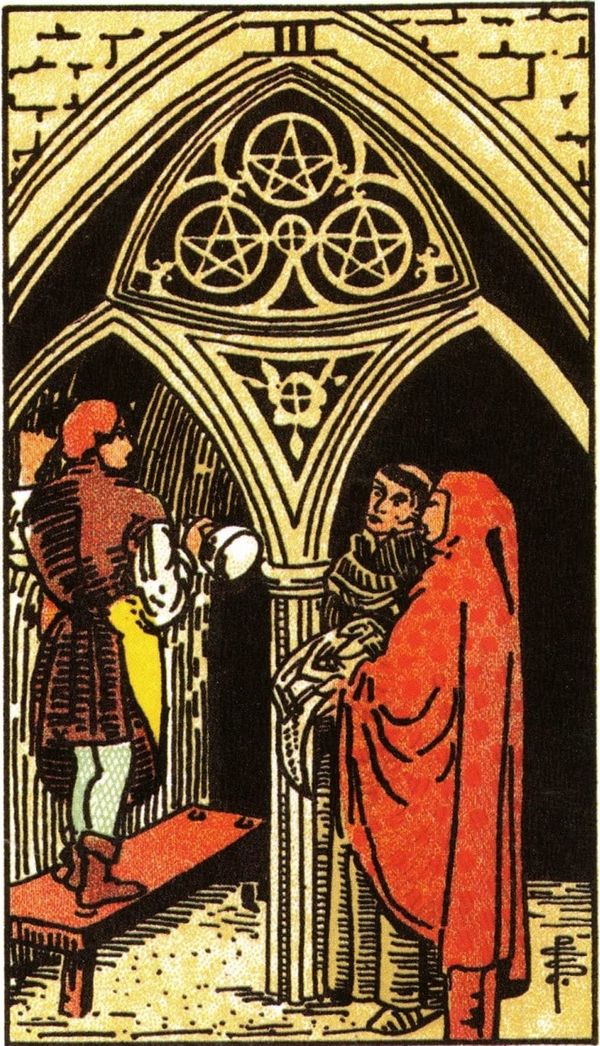
So much resentment toward people who use drugs comes down to public space. Even people with generally compassionate views on drug use, including some who have addictions themselves, can become outright angry at signs of substance use in public places. Some of this sentiment is simple disdain for unsightly poverty,
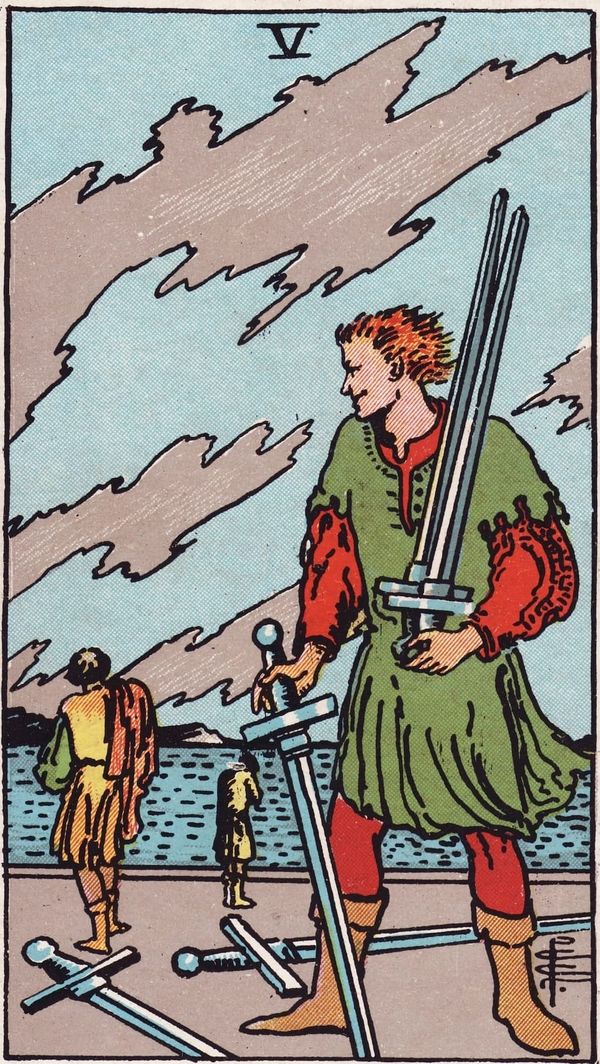
Mandated Treatment
Last week's post discussed problems that arise when one particular experience of addiction is universalized to stand for all– a common problem in policy arguments. Public policy deals in population-scale solutions that approach people in categories. But not only do people have widely varying experiences of addiction;