
Reviews
Review of The Field Guide to Frontline Care: Practical Tools for Workers in Homelessness, Substance Use, and Harm Reduction
You need this book yesterday. I need this book in 2011. We collectively need this book in the 19th century.
Reviews
You need this book yesterday. I need this book in 2011. We collectively need this book in the 19th century.

How addiction divides the experience of consuming drugs from selling them

Cuckooing highlights the gap between what supports we might want for people with addictions, versus what is actually available.

Reviews
At this point in the unwinnable "war on drugs," the question is not whether drugs should or will be legalized, but rather how.
My baby turns one this month! I started this newsletter in August 2025, and though I'm busy with other writing goals I wanted to take the occasion to reflect on what I've learned. A Cure For Addiction was and is meant to be the public-facing,
Publishing News
Welcome, and welcome back, curers of addiction! This edition is for summer updates and a sketch of what I'm doing when not posting here every week. My Cover Story in The Bollard It's an honor to be in The Bollard, Portland's independent print magazine.

Reviews
So we have an old, unprofitable medication and a newer "blockbuster drug." Can you guess who's ended up on which one?

Typically I do not share much about my personal life. But I have one story that feels too apropos not to tell. It's about my high-stakes but totally straightforward experience of "brain disease." The model for understanding addiction that currently dominates policy discourse is a
In the best case scenario, people learn from both the good and bad outcomes of risks they choose, refining their choices accordingly as they go.

Scroll down some good news in treatment access. First, our weekly topic post. Discussions about substance use often turn toward trauma as a precursor to dependence and addiction. Both research and accounts of lived experience support this connection: some people with trauma histories come to rely on substances to regulate

Have you heard? Maybe not, especially if you work in abstinence-based substance use treatment. In a September post about the false distinction between recreational and therapeutic drug use, I said I'd come back to the topic of pleasure. I've found it's pretty taboo
Let's get realistic about substance use treatment

If you're looking for a good celebration today, here's "250 Years of Resistance," recorded last night at the National Public Housing Museum. Bring a notebook and a cup of coffee. On to today's post... Trial By Treatment: Punishing Illness in an Age
My earlier post on retaining accessible providers in the addiction field mentioned insurance as a primary problem. That is, dealing with insurance companies is so burdensome and unpredictable that at this point many providers only take private pay– which places their care out of reach for most patients. I wrote

Last weekend I attended a fantastic workshop introducing "Depth Recovery," an approach developed by presenter Corey Gamberg, LADC. Gamberg shared his lived experience with addiction and recovery and, like me, has been working in treatment for a long time. Unlike me, Gamberg also has credentials in Jungian psychotherapy,
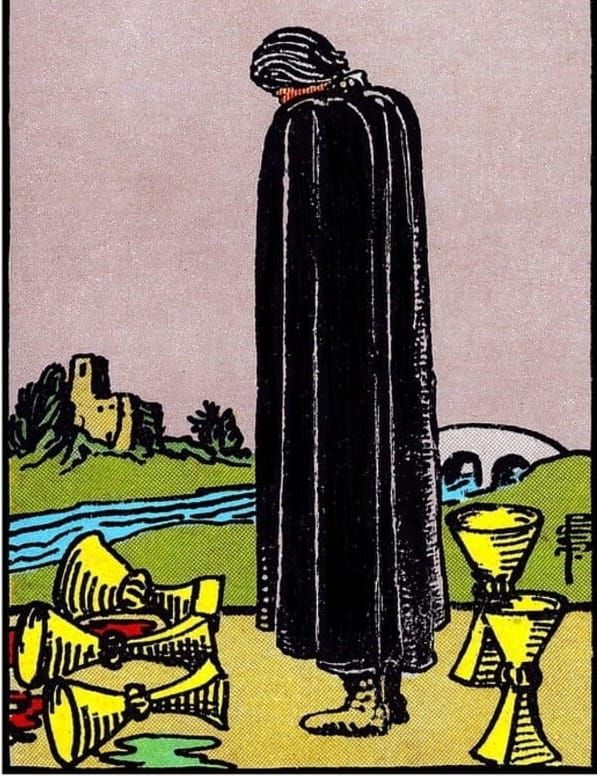
📋This topic was requested on my anonymous reader survey, which is still open. I'd love to hear from you, subscriber or not! 5-Question Survey Shame is the air we breathe in addiction treatment. It suffuses what is said, which words are used to say it, and especially
Typically I do not share much about my personal life. But I have one story that feels too apropos not to tell. It's about my high-stakes but totally straightforward experience of "brain disease." The model for understanding addiction that currently dominates policy discourse is a
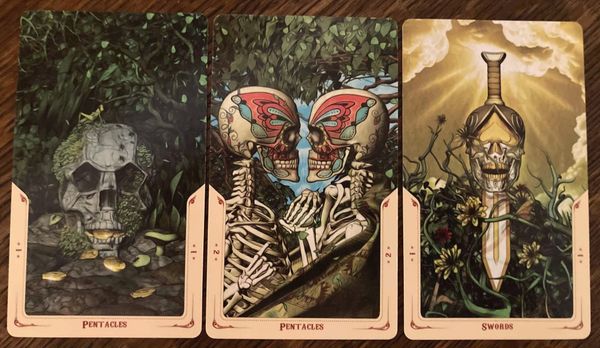
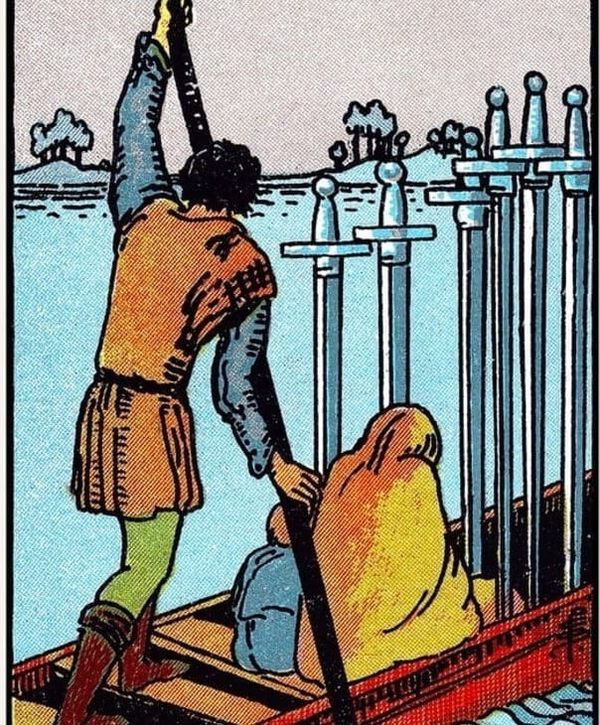
🙏This topic was suggested by Noel Genova, PA-C. Do you have a question or topic to suggest? Use the Contact button above. My mom is a veteran physician assistant in internal medicine. She has worked with many patients with addictions, introduced me to tarot when I was a teen,

🙏This topic was suggested by Miranda DeNovo. Do you have a question or topic to suggest? Use the Contact button above. Addiction treatment is highly segregated by socioeconomic status– perhaps more so than any other type of health care. And one aspect of treatment in which class segregation is particularly

This is the third and (for now) final post in an impromptu series about working in addiction treatment. The first and second posts were on what I love about this job. This week we're looking at retention: why so many front-line workers leave the field, and what
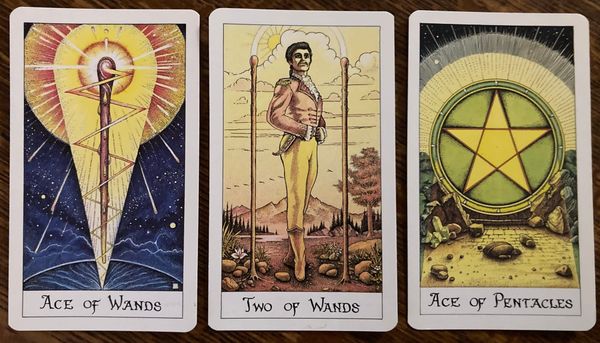
Why work in addiction treatment, with all its systemic problems? Part I of my answer was "Five And A Half Things I Love About This Job", and this is an addendum by request. I will address retention (keeping people in the field) more specifically next time. If you&
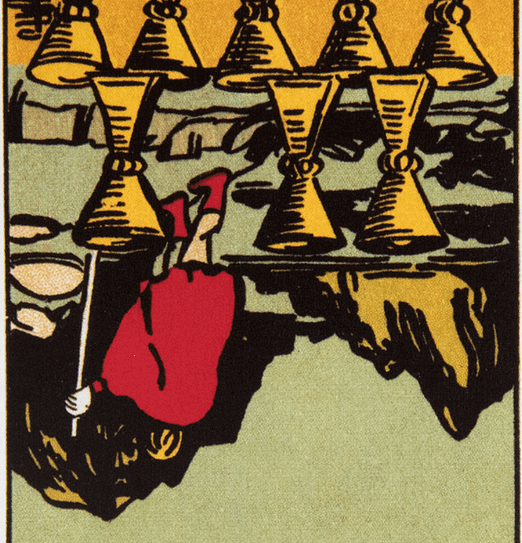
The weight loss industry, like the addiction treatment industry, is prone to overselling its treatments. But right now the weight loss business is seeing a major shake-up. Ozempic, Wegovy, etc.– we're talking about GLP-1 agonists or semaglutides that were initially developed for Type 2 diabetes but

Wait– three posts in three weeks? Are we back to curing addiction every Saturday? Let's say mostly, or hopefully. Thanks for rolling with it. I recognize that this newsletter, along with most of my writing and teaching content, has a critical and somtimes angry tone. One attendee of
🙏This topic was suggested by Laura. Do you have a topic to suggest? Post to the Comments or use the Contact button above. The addiction treatment industry is known for a number of unethical and illegal practices. Today we're looking at "body brokering," also known as